MedLabel
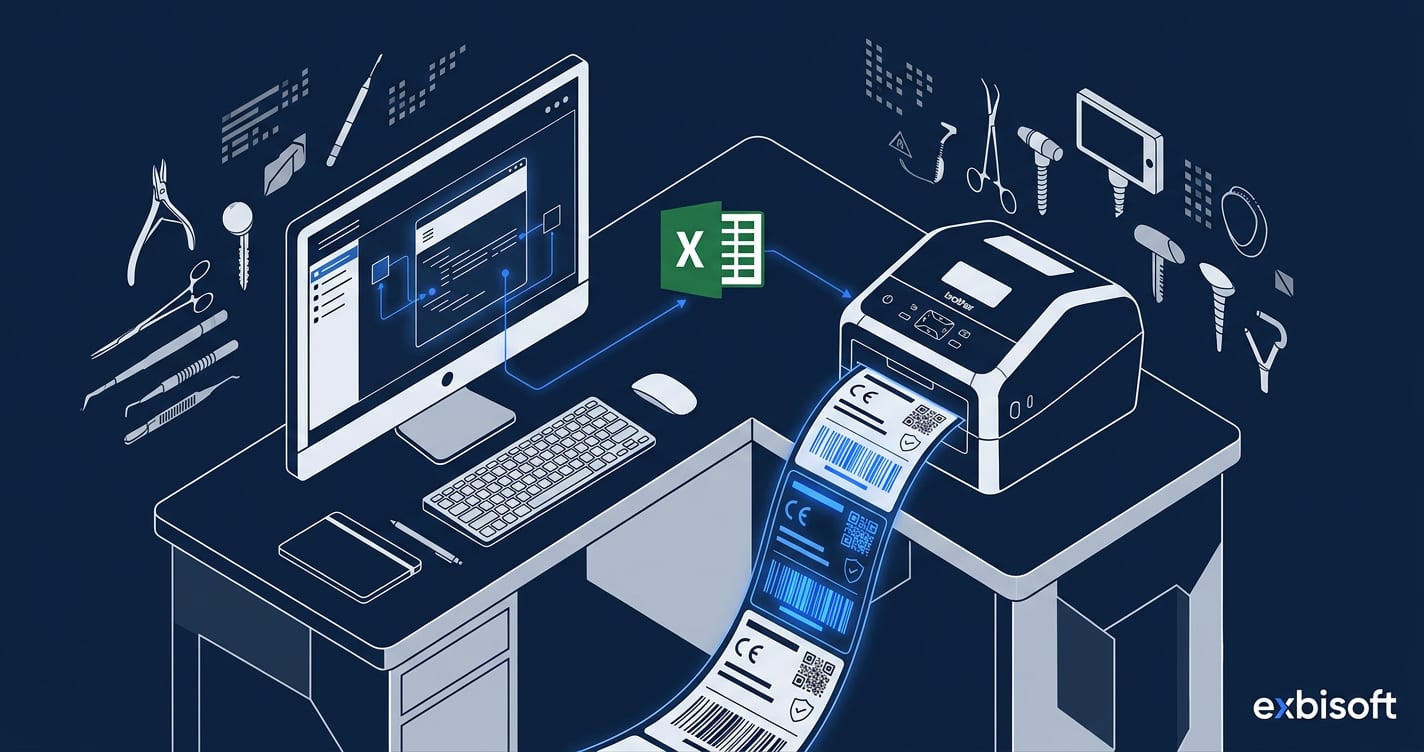
A medical device manufacturer in Germany — ISO 13485 certified — needed a labelling system that could produce regulatory-compliant labels reliably, repeatedly, and without manual formatting…
View Case Study →Monitoring, updates, defects, small changes — owned by a team that knows the system
A live application needs attention for as long as it is live: dependencies age, operating systems drop support, a partner changes its format, a user finds the case nobody tested, a regulator changes the label. We provide ongoing support and maintenance as a standing responsibility, for the systems we built and, selectively, for systems built by others.
Too many applications only get attention when something breaks. Dependencies drift years out of date, a framework quietly stops receiving security patches, performance degrades one slow query at a time, and small issues pile up until one of them is the incident. By then the developers who built the system have moved on, and the first hour of every fix is spent rediscovering how it works.
We manage support as a continuous responsibility, with a schedule, a named team and a record, not an emergency service you call when things are already on fire.
Three levels, from monitoring and updates to a standing capacity for change, sized to how critical the application is. The mechanics are the same at every level: a named contact, agreed response times, and a log of everything done.
A medical device company's custom e-commerce platform has been live for nearly a decade with over 99 percent uptime, with hosting, server maintenance and updates owned by us throughout. A telecoms partner's quotation converter has been maintained by us through every revision of the provider's format. Long-term is what most of our engagements become.
Engineers who know your system's history and the reasons behind its decisions, not a rotating support desk starting from zero. That knowledge is what turns a two-day investigation into a two-hour fix.
Updates are scheduled, monitoring is watched, and small issues are handled while they are still small. Support is a standing part of the relationship, managed proactively rather than triggered only by incidents.
The systems we build come with the environments, pipeline and documentation that make support cheap: an urgent fix walks the same dev, QA, test and live path as a planned release, and there is a record of what shipped when.
We take on applications built elsewhere selectively, after an assessment, only where we can genuinely be responsible for them. Where we cannot, we say so, and we say what would have to change first.
Tell us what you have, who built it, how it is running today and what happens when it breaks. We will tell you honestly what ongoing support should look like, and at which level.
Start a conversation